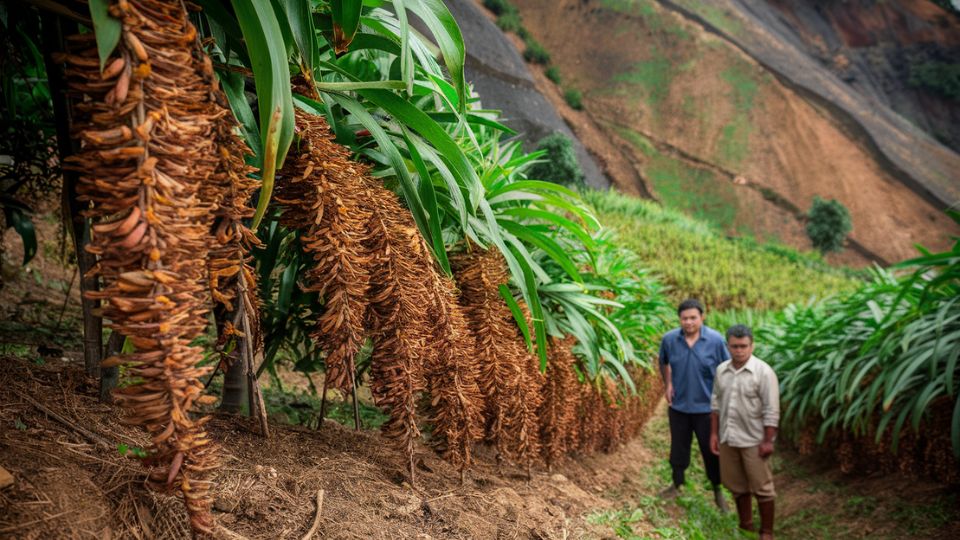
Why Sustainability Matters in the Global Spice Supply Chain
Sustainability has become a practical requirement in modern international trade. Global buyers increasingly want supply chains that are stable, transparent, and resilient, especially for agricultural commodities like spices. For Indonesian spices, sustainability means farming practices that protect long-term productivity while improving quality and consistency for export markets.
When sustainable farming is done well, everyone benefits. Farmers gain better outcomes and more stable income, while importers receive more reliable supply, stronger product consistency, and improved traceability that supports long-term procurement planning.
What “Sustainable Spice Farming” Looks Like in Indonesia
Sustainable spice farming is not a single practice. It is a collection of improvements across cultivation, harvesting, and post-harvest handling that reduce waste, protect the environment, and improve product quality. Because many Indonesian spices are produced by smallholder farmers, sustainability also includes community support and knowledge sharing.
-
Healthy soil management: practices that protect soil fertility and support consistent crop yield over time.
-
Responsible farm inputs: careful use of inputs to protect crop health while reducing unnecessary environmental impact.
-
Harvest discipline: harvesting at the right maturity to preserve aroma and reduce waste.
-
Improved drying and storage: moisture control and clean storage to reduce spoilage and quality loss.
In spice exports, sustainability is closely tied to quality. Better farming and post-harvest practices help protect aroma, shelf life, and consistency across shipments.
How Sustainability Supports Indonesian Farmers
Indonesian spice farming is often community-based, with families and smallholder farms forming the backbone of production. Sustainable improvements help farmers maintain productivity and reduce losses, which can translate into better income stability and long-term viability for their farms.
-
More stable yields: better farm practices support consistent production over different seasons.
-
Reduced post-harvest loss: improved drying and storage can reduce spoilage and rejected lots.
-
Higher market value: cleaner, well-processed spices can meet export-grade requirements and attract better buyer confidence.
-
Long-term farming viability: protecting soil and local ecosystems helps ensure spices remain a strong livelihood for future generations.
How Sustainability Benefits Global Buyers
For importers and international brands, sustainability is increasingly linked to procurement reliability and supply chain risk management. Buyers benefit when producers follow practices that improve consistency and reduce the likelihood of quality issues. Sustainable sourcing can also support buyer needs for transparency and long-term supplier relationships.
-
More consistent product quality: disciplined harvest and post-harvest handling create stable aroma and appearance across shipments.
-
Improved shelf life: better moisture control helps spices remain stable through shipping and storage.
-
Reduced sourcing risk: sustainable practices support resilient production and reduce supply shocks.
-
Greater traceability: clearer supply relationships help buyers verify origin and build confidence.
Practical Steps That Strengthen Sustainable Export Supply
Sustainability in spice farming becomes meaningful when it translates into practical improvements across the supply chain. Several steps can help align farmer outcomes with export-grade requirements.
-
Training and guidance: supporting growers with best practices for harvesting, drying, and storage.
-
Quality-focused processing: cleaning and sorting that reduces foreign matter and improves uniformity.
-
Packaging discipline: export-ready packaging that protects spices from moisture and contamination.
-
Supplier relationships: long-term cooperation that encourages continuous improvement and consistent supply.
How Indonesia Spices & Seafoods (ISS) Supports Sustainable Global Trade
Indonesia Spices & Seafoods is a global trading company exporting premium Indonesian spices and seafoods worldwide. With over a decade of export-import experience, the company combines local expertise and global reach to deliver authentic, high-quality spices and seafoods from Indonesia to international markets.
Through local sourcing knowledge and professional export execution, ISS helps connect Indonesian producers with international buyers who value consistent quality and responsible sourcing. Sustainable trade is built through long-term relationships, strong communication, and clear expectations around product specifications and handling.
Conclusion: Sustainable Sourcing Builds Long-Term Value
Sustainable spice farming in Indonesia supports farmers by strengthening productivity, reducing losses, and improving long-term livelihoods. It supports global buyers by delivering more consistent quality, stronger supply reliability, and better transparency. In today’s international market, sustainability and performance are closely linked.
If you are looking to source premium Indonesian spices and seafoods with a partner that understands both local supply and global export execution, Indonesia Spices & Seafoods (ISS) is ready to support your business with over a decade of export-import experience and a commitment to authentic Indonesian products.